
A Statement of Work (SOW) is a formal document that defines the specific tasks, deliverables, timelines, and responsibilities involved in a project or contract. It clearly outlines the scope of work to be performed, the resources required, performance standards, and the criteria for acceptance of completed work.
The SOW serves as a reference point for both the service provider and the client, ensuring that expectations are clearly documented and agreed upon before work begins.
A Statement of Work is used to provide clarity and structure to a project or service engagement. It helps prevent misunderstandings by clearly defining responsibilities, timelines, and deliverables, reducing the risk of disputes or scope creep.
It also ensures accountability, as all parties understand what is expected, how performance will be measured, and what constitutes successful completion. A well-prepared SOW can improve project planning, resource allocation, and communication between clients and service providers.
A Statement of Work is commonly used in business, consultancy, IT services, construction, and professional service engagements. It is particularly useful for projects with defined objectives, deliverables, and timelines, or where multiple parties are involved.
The document is often included as part of a larger contract or agreement and may be referenced during project management, performance reviews, or audits. It is widely used in both private and public sector projects where formal documentation of work expectations is required.
A Statement of Work is used by clients, service providers, project managers, and consultants who are entering into a contractual arrangement for services or deliverables.
Legal teams and contract managers often assist in drafting and reviewing the SOW to ensure that terms are clear, enforceable, and aligned with the overall agreement. Both parties rely on the SOW as a key reference for monitoring progress, managing expectations, and resolving disputes if they arise.
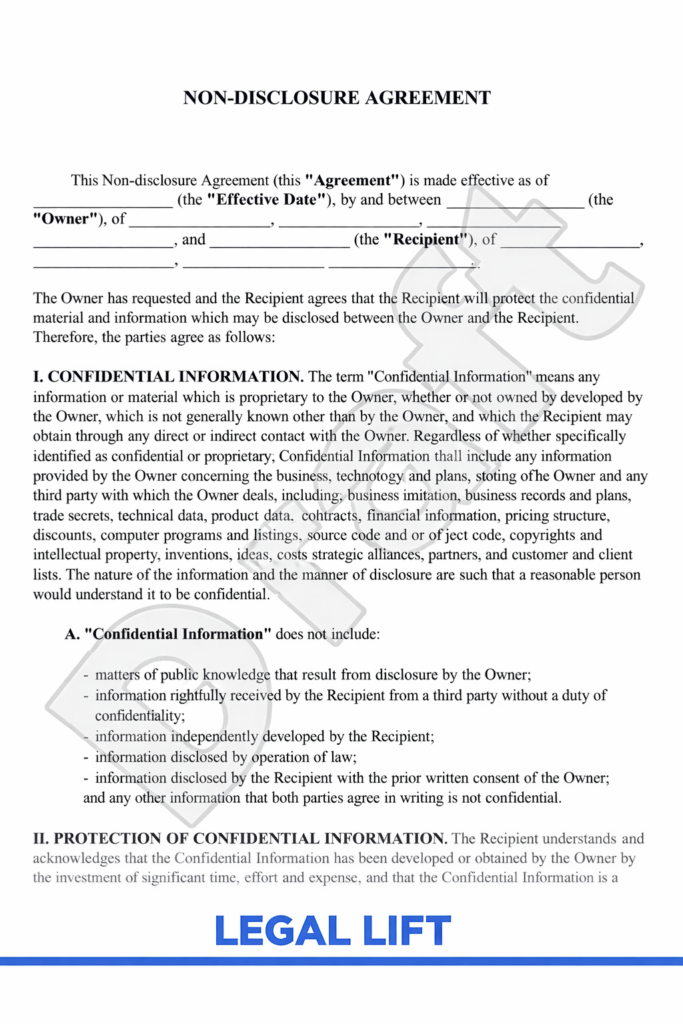
Ensure that proprietary information stays private
Ensure that proprietary information stays private
Ensure that proprietary information stays private
Ensure that proprietary information stays private