
An Employment Contract (Permanent) is a legally binding agreement between an employer and an employee that sets out the terms and conditions of employment. In the United Kingdom, it is a requirement under the Employment Rights Act 1996 that employees are provided with written particulars of their employment. This document establishes a clear and formal working relationship between both parties.
This document is important because it provides legal protection and clarity. It ensures that both employer and employee understand their rights and responsibilities. It reduces the likelihood of disputes by clearly outlining expectations such as salary, duties, and working hours. It also ensures compliance with important UK legislation, including the Working Time Regulations 1998, the Pensions Act 2008, and the Data Protection Act 2018.
This contract is used across a wide range of organisations in England and Wales, including small businesses, large companies, and start-ups. It is typically issued during the recruitment or onboarding process and should be provided on or before the employee’s first day of work. It forms part of the organisation’s official HR and legal documentation.
This document is required by employers who are hiring permanent staff and must comply with UK employment law. It is equally important for employees, as it provides them with clear information about their job role, salary, benefits, and rights within the organisation.
This section ensures that all terms used in the contract are clearly understood. It prevents confusion and avoids misinterpretation of the agreement.
This clause specifies the start date of employment and whether previous employment counts towards continuous service. This is important for determining statutory rights such as redundancy and unfair dismissal.
This section outlines the employee’s role and responsibilities. It also establishes that the employee must perform their duties with care, skill, and diligence, and act in good faith towards the employer.
This clause defines the normal place of work and allows the employer to require the employee to work at different locations if it is reasonable. This provides flexibility in business operations.
This section sets out the employee’s working hours and includes agreement to opt out of the 48-hour weekly limit under the Working Time Regulations 1998. It also allows the employee to withdraw this consent with notice.
This clause explains the employee’s salary and how it will be paid. It also allows the employer to make lawful deductions in accordance with the Employment Rights Act.
This section sets out the employee’s entitlement to paid annual leave and ensures compliance with UK legal requirements. It also explains how holiday entitlement is calculated during partial years of employment.
This clause explains entitlement to statutory sick pay and the procedures the employee must follow when reporting illness. It ensures proper communication during periods of absence.
This section confirms that the employer will comply with its obligations under the Pensions Act 2008, including automatic enrolment into a pension scheme.
This clause specifies the notice period required by both employer and employee to end the employment. It ensures fairness and aligns with statutory requirements.
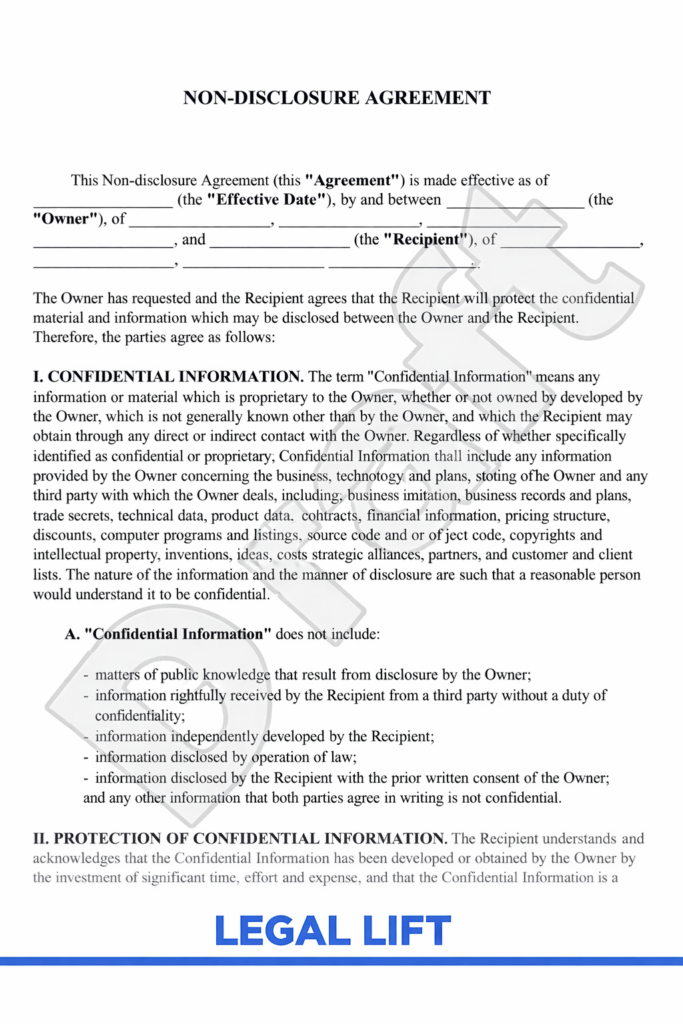
This section protects the employer’s business by preventing the employee from disclosing confidential information, including trade secrets, both during and after employment.
This clause ensures that personal data is handled in accordance with the UK General Data Protection Regulation and the Data Protection Act 2018. It is essential for protecting employee information.
This section explains how workplace issues and disputes will be managed. It provides a structured process for handling complaints and maintaining fairness.
This clause confirms that the contract is governed by the law of England and Wales and that any disputes will be resolved in its courts. This provides legal certainty.
An Employment Contract (Permanent) is a fundamental document in the UK workplace. It ensures legal compliance, defines the working relationship, and protects both employer and employee. By clearly setting out terms and conditions, it reduces the risk of disputes and provides a strong legal foundation for employment.
Ensure that proprietary information stays private
Ensure that proprietary information stays private
Ensure that proprietary information stays private
Ensure that proprietary information stays private