
A Cohabitation Agreement is a legally recognised document made between two individuals who live together but are not married or in a civil partnership. It sets out the financial and practical arrangements governing their shared life, including ownership of property, division of household expenses, and responsibilities during the relationship. It may also outline what will happen in the event of separation, ensuring both parties have a clear understanding of their rights and obligations.
This agreement helps to formalise arrangements that would otherwise rely on informal understanding, reducing uncertainty and potential disputes.
A Cohabitation Agreement is used to provide clarity, security, and protection for both individuals. Unlike married couples, cohabiting partners do not automatically have the same legal rights, particularly in relation to property and financial matters. This agreement helps to bridge that gap by clearly defining each party’s interests.
It is particularly useful in preventing misunderstandings, as it records how assets, debts, and responsibilities are shared. In the event of a relationship breakdown, it can minimise conflict by setting out agreed terms in advance. It also offers peace of mind, as both parties know their contributions and expectations are formally recognised.
A Cohabitation Agreement is commonly used in domestic settings where couples live together in a shared property, whether rented or owned. It is applicable in various living arrangements, including situations where one or both partners own property, where finances are shared, or where one party contributes significantly more than the other.
It is often prepared and used within legal frameworks in countries such as England and Wales, where cohabitation does not automatically grant legal protections similar to marriage. The agreement may also be relevant in other jurisdictions with similar legal systems, provided it complies with local laws.
A Cohabitation Agreement is used by couples who choose to live together without entering into marriage or a civil partnership. This includes long-term partners, individuals purchasing property together, or those who wish to clearly define financial arrangements before moving in together.
It is also commonly used by individuals who wish to protect personal assets, such as property, savings, or investments, especially if they are entering the relationship with existing financial commitments or dependants. Legal professionals, such as solicitors, are often involved in drafting the agreement to ensure it is fair, clear, and legally enforceable.
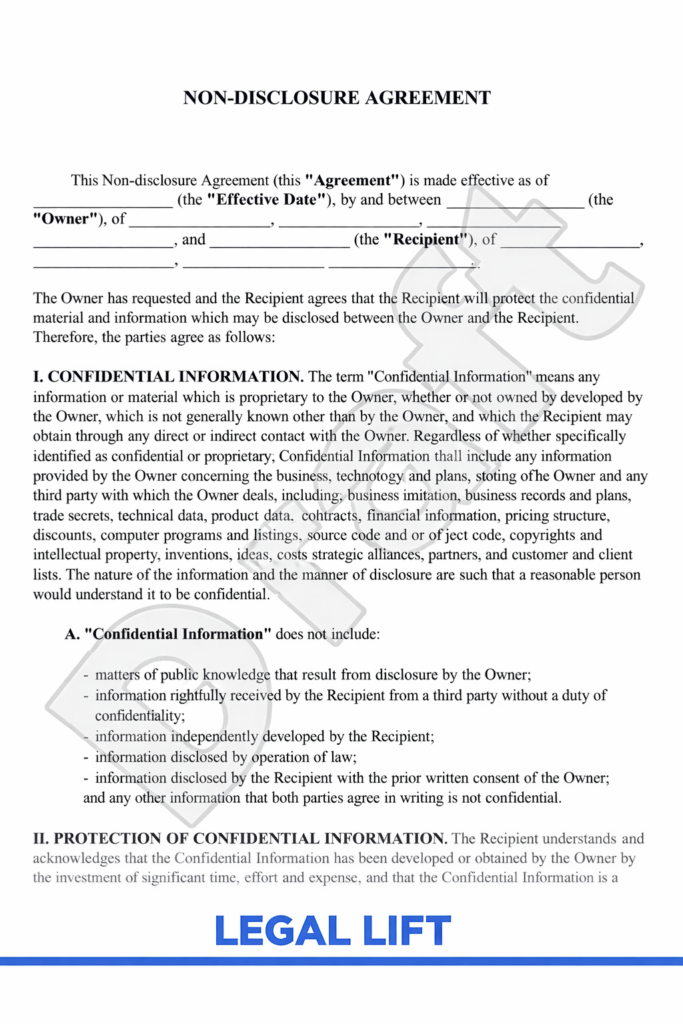
Ensure that proprietary information stays private
Ensure that proprietary information stays private
Ensure that proprietary information stays private
Ensure that proprietary information stays private