A Statutory Declaration is a formal written statement in which an individual declares that certain facts are true to the best of their knowledge and belief. It is made voluntarily and affirmed in the presence of an authorised person, such as a solicitor, commissioner for oaths, or notary public.
This document carries legal significance, and the person making the declaration understands that providing false information may result in penalties under the law. It is commonly used as an alternative to sworn evidence when an oath is not required.
A Statutory Declaration is used to confirm facts or statements in situations where documentary evidence may be limited or unavailable. It provides a legally recognised way of verifying information, ensuring that the declaration is taken seriously and can be relied upon by organisations, courts, or authorities.
It is particularly useful for affirming identity, confirming personal circumstances, or declaring the truth of a matter in administrative or legal processes. The formal nature of the declaration helps to prevent fraud and misrepresentation, as the declarant is legally accountable for the accuracy of the information provided.
A Statutory Declaration is used in a wide range of legal, governmental, and administrative contexts. It is commonly required in matters relating to property transactions, immigration applications, insurance claims, and financial dealings. It may also be used in court proceedings where a sworn affidavit is not necessary.
In jurisdictions such as England and Wales, it is governed by specific legislation and must be completed in accordance with legal requirements. It is also recognised in other countries with similar legal systems, where it serves as a reliable form of evidence or confirmation.
A Statutory Declaration is used by individuals who need to formally declare facts or confirm statements for official purposes. This may include private individuals, business owners, or parties involved in legal or administrative matters.
Professionals such as solicitors, notaries, and commissioners for oaths are involved in witnessing and validating the declaration. Government bodies, courts, financial institutions, and other organisations often rely on Statutory Declarations as part of their verification processes.
Ensure that proprietary information stays private
Ensure that proprietary information stays private
Ensure that proprietary information stays private
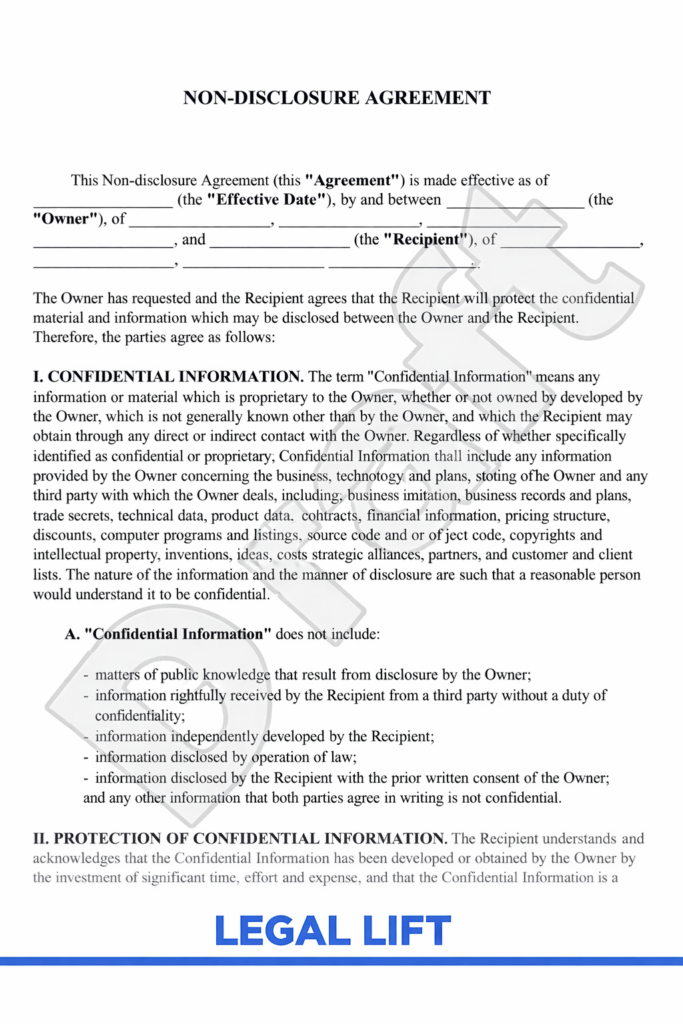
Ensure that proprietary information stays private