
Director Appointment / Resignation Minutes are formal written records of decisions made by a company’s board of directors regarding the appointment of a new director or the resignation of an existing one. These minutes document the proceedings of a board meeting or written resolution, capturing the details of the decision, including the effective date, the individual involved, and any relevant approvals.
They form part of the company’s official statutory records and provide evidence that the appropriate procedures have been followed in accordance with company law and the company’s articles of association.
These minutes are used to ensure transparency, accountability, and compliance in the management of a company. They provide a clear and formal record of changes in the board’s composition, which is essential for legal, administrative, and governance purposes.
They also protect the company and its directors by demonstrating that all decisions have been properly authorised and recorded. In the case of disputes or regulatory reviews, these minutes serve as reliable evidence of the actions taken by the board. Additionally, they support accurate record-keeping and ensure that all necessary filings with relevant authorities are based on documented decisions.
Director Appointment / Resignation Minutes are used within the internal governance framework of a company. They are typically prepared during board meetings or through written resolutions and are maintained in the company’s minute books or statutory registers.
They are also used when submitting information to regulatory bodies, such as Companies House in England and Wales, where updates to the company’s directorship must be formally reported. These minutes may be referenced during audits, legal reviews, or due diligence processes.
These minutes are used by company directors, company secretaries, and administrative personnel responsible for maintaining corporate records. They are relevant to all types of companies, including private limited companies and public organisations.
Legal advisers and accountants may also be involved in drafting or reviewing the minutes to ensure compliance with applicable laws and regulations. Regulatory authorities, auditors, and stakeholders may rely on these records to verify that changes in directorship have been properly authorised and documented.
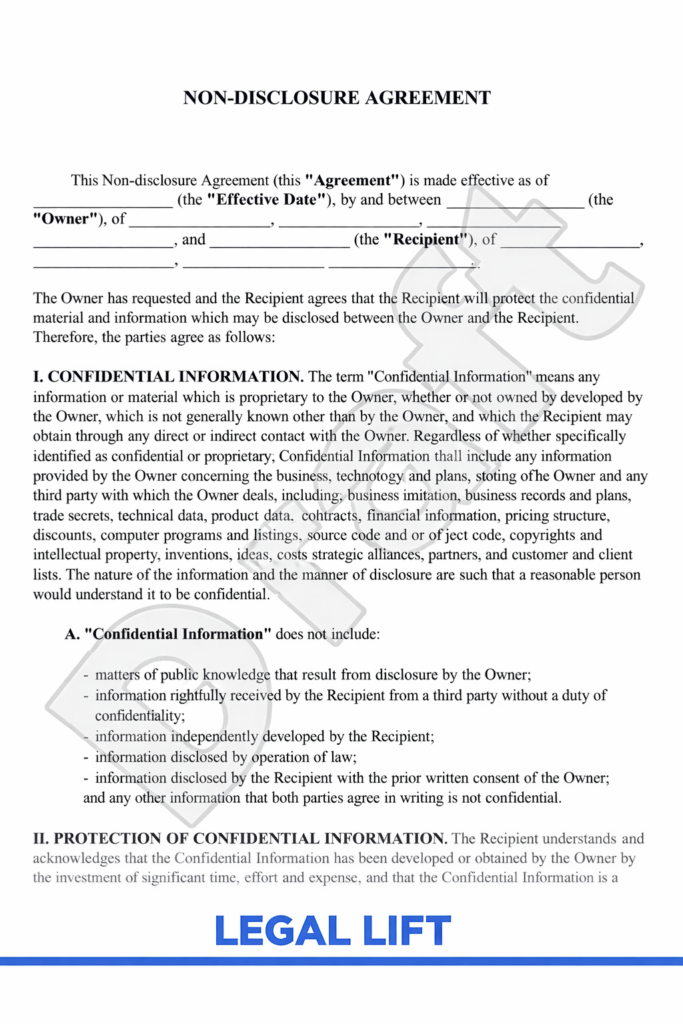
Ensure that proprietary information stays private
Ensure that proprietary information stays private
Ensure that proprietary information stays private
Ensure that proprietary information stays private