
A Written Resolution is a formal decision made by the shareholders or members of a company without the need to hold a physical general meeting. Instead of convening in person, the resolution is documented in writing and circulated to eligible members for approval. Once the required majority of members have agreed, the resolution is considered legally passed.
It is a recognised method of decision-making under company law, particularly in private companies, and serves as an efficient alternative to traditional meetings while maintaining proper corporate governance.
A Written Resolution is used to simplify and speed up the decision-making process within a company. It removes the need to organise meetings, making it especially useful when shareholders are in different locations or when urgent decisions are required.
It also ensures that decisions are clearly documented and formally approved, providing a transparent record of shareholder consent. This method helps reduce administrative burden while still ensuring compliance with legal and regulatory requirements. Additionally, it allows members adequate time to review and consider the resolution before agreeing to it.
A Written Resolution is commonly used within the internal governance of private limited companies, particularly in jurisdictions such as England and Wales where the process is supported by company law. It is used for a wide range of corporate decisions, including approving financial matters, appointing or removing directors, and making changes to company structure.
The resolution is circulated in written form, either physically or electronically, and once passed, it is retained within the company’s statutory records. It may also be submitted to regulatory authorities where required.
A Written Resolution is used by shareholders or members of a company who have the authority to vote on corporate matters. It is most commonly used in private companies, where this method is permitted and widely adopted.
Company directors, company secretaries, and legal advisers are often involved in preparing and distributing the resolution to ensure it meets legal standards. It is also relied upon by auditors and regulatory bodies as evidence that decisions have been properly authorised by the members.
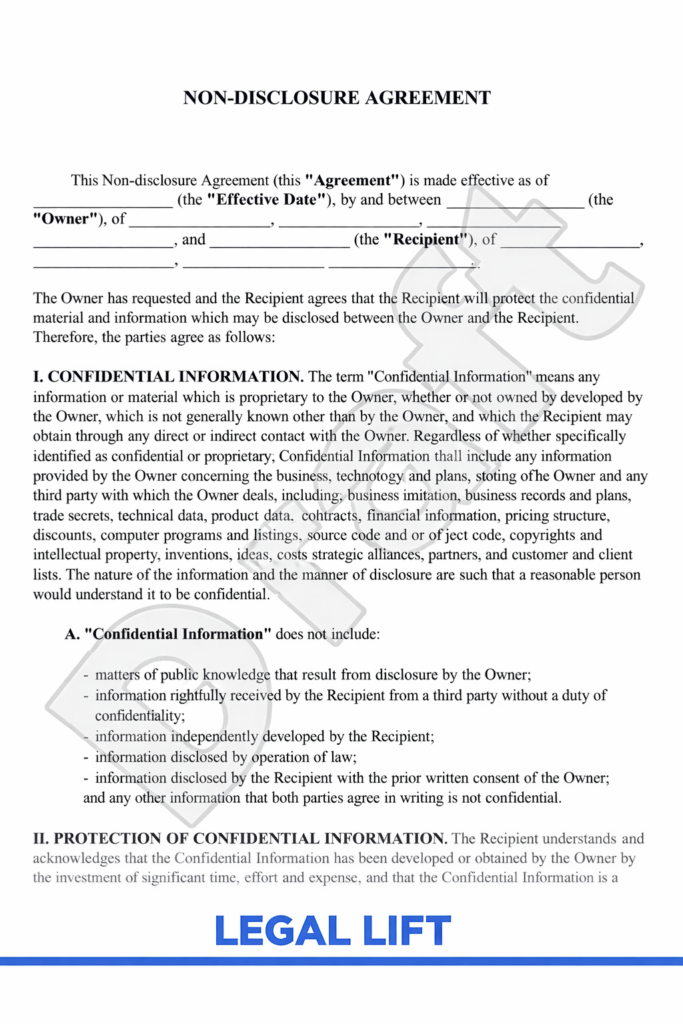
Ensure that proprietary information stays private
Ensure that proprietary information stays private
Ensure that proprietary information stays private
Ensure that proprietary information stays private