
A Data Processing Agreement (DPA) is a legally binding contract between a data controller and a data processor that governs how personal data is handled, processed, and protected. Under the UK General Data Protection Regulation (UK GDPR) and the Data Protection Act 2018 (DPA 2018), it is mandatory whenever a processor handles personal data on behalf of a controller.
The agreement sets out the scope, purpose, and duration of processing, the types of personal data involved, security measures, and the responsibilities of both parties to ensure compliance with data protection laws.
A Data Processing Agreement is used to ensure that both the data controller and processor comply with UK GDPR and DPA 2018 requirements. It provides clarity and accountability, specifying how personal data is collected, stored, processed, and protected.
The DPA protects individuals’ privacy rights, reduces legal and regulatory risks, and demonstrates a company’s commitment to data protection. It also establishes procedures for handling data breaches, audits, and subcontracting, ensuring that all parties understand their obligations and liabilities.
A Data Processing Agreement is used whenever a company (the controller) engages another organisation (the processor) to process personal data on its behalf. This includes situations such as cloud services, payroll providers, marketing agencies, IT support, or any third-party handling sensitive personal data.
It is applicable across all sectors in the UK, including healthcare, finance, education, and e-commerce, where compliance with UK GDPR and DPA 2018 is mandatory. Organisations often maintain DPAs as part of their contractual records and regulatory compliance frameworks.
A Data Processing Agreement is used by data controllers and data processors, which may include businesses, public authorities, or non-profit organisations. Controllers are responsible for determining the purposes of data processing, while processors carry out processing activities on their behalf.
Legal and compliance teams often draft and review DPAs to ensure they meet regulatory standards. IT, HR, and operations departments may also be involved to ensure practical implementation of security measures, audit rights, and data handling procedures. Regulatory authorities may review DPAs during investigations or audits to verify compliance.
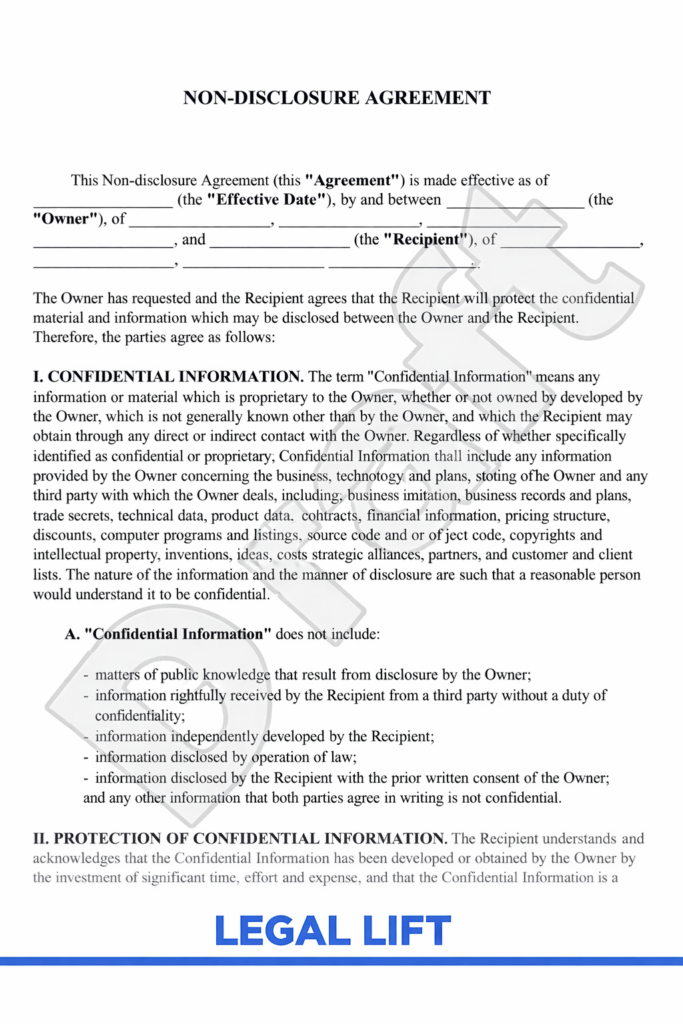
Ensure that proprietary information stays private
Ensure that proprietary information stays private
Ensure that proprietary information stays private
Ensure that proprietary information stays private