
Deposit Prescribed Information is a formal notice that a landlord must provide to a tenant at the start of an Assured Shorthold Tenancy (AST) in England and Wales when a tenancy deposit is taken. It sets out key details about the deposit, including the amount, the purpose, where it is held, and the procedures for its return at the end of the tenancy.
This information is a legal requirement under the Housing Act 2004 and ensures transparency between landlords and tenants regarding tenancy deposits.
Deposit Prescribed Information is used to protect both tenants and landlords by clarifying the terms of the deposit and the process for resolving disputes. It confirms that the deposit is safeguarded in a government-approved tenancy deposit scheme and outlines the rights and responsibilities of both parties.
Providing this information helps prevent disputes over deductions, ensures compliance with the law, and safeguards the tenant’s money. Failure to provide the prescribed information can result in penalties for the landlord, including fines or restrictions on recovering possession of the property.
Deposit Prescribed Information is used in residential lettings under Assured Shorthold Tenancies in England and Wales. It must be given to tenants within 30 days of receiving the deposit and is applicable whether the property is privately rented or managed by a letting agency.
It forms part of the legal documentation for the tenancy, alongside the tenancy agreement and any associated schedules or notices. It is often included with tenancy paperwork and kept as part of the landlord’s records.
Deposit Prescribed Information is used by landlords, letting agents, and property managers who take tenancy deposits from tenants.
Tenants receive this information to understand their rights and the procedures regarding their deposit. Legal professionals and tenancy deposit scheme administrators may also be involved to ensure the notice meets statutory requirements and protects the interests of both parties.
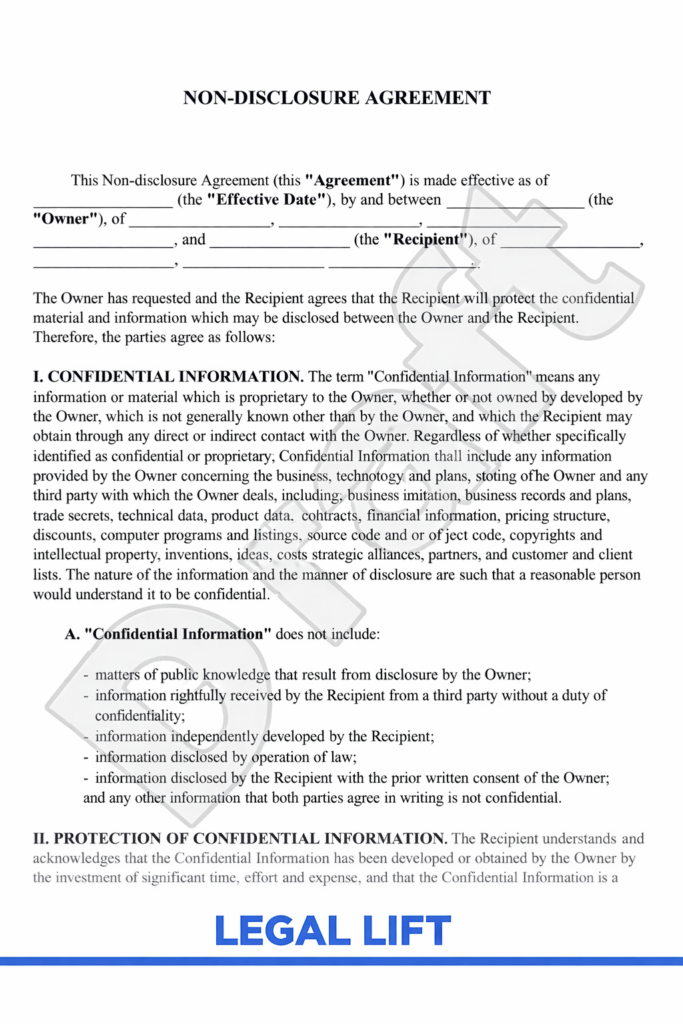
Ensure that proprietary information stays private
Ensure that proprietary information stays private
Ensure that proprietary information stays private
Ensure that proprietary information stays private