
An Assured Shorthold Tenancy Agreement (AST) is the most common type of residential tenancy agreement used in England. It is a legally binding contract between a landlord and a tenant that sets out the terms under which a property is rented. This type of tenancy is governed primarily by the Housing Act 1988, as amended by later legislation.
This document is important because it clearly defines the rights and responsibilities of both landlord and tenant. It provides legal protection, ensures compliance with housing laws, and helps prevent disputes. It also sets out key terms such as rent, duration of tenancy, deposit protection, and conditions of occupation. Without a written agreement, both parties may face uncertainty and legal risks.
It also ensures compliance with important legal requirements, including:
This agreement is used throughout England in the private rental sector. It applies to:
It is typically used when a landlord rents a property to an individual as their main residence.
This document is required by:
It is essential for both parties to ensure a clear and lawful tenancy arrangement.
This section explains key terms used in the agreement, ensuring clarity and avoiding misunderstandings.
This clause identifies the landlord, tenant, and the property being rented. It confirms the address and details of the premises.
This section specifies the start date and duration of the tenancy. Most ASTs are granted for a fixed term (e.g. 6 or 12 months), after which they may become periodic.
This clause sets out the amount of rent, when it must be paid, and how it should be paid. It may also include provisions for rent increases.
This section explains the amount of the tenancy deposit and confirms that it must be protected in a government-approved scheme in accordance with the Housing Act 2004. It also outlines conditions for deductions.
This clause sets out the tenant’s responsibilities, such as:
This section outlines the landlord’s duties, including:
This clause clarifies responsibility for repairs and maintenance. It helps avoid disputes by clearly dividing responsibilities between landlord and tenant.
This section restricts how the property may be used, typically limiting it to residential purposes and prohibiting illegal or commercial use.
This clause allows the landlord to enter the property for inspections or repairs, usually with prior notice, ensuring respect for the tenant’s right to quiet enjoyment.
This section explains how the tenancy can be ended. It includes notice requirements and may refer to statutory procedures such as possession notices under the Housing Act 1988.
This clause explains how and when the deposit will be returned at the end of the tenancy, subject to any lawful deductions.
This clause confirms that the agreement is governed by the law of England and that disputes will be handled in its courts.
An Assured Shorthold Tenancy Agreement is a fundamental document in the English private rental sector. It provides a clear legal framework for renting residential property, protects both landlord and tenant, and ensures compliance with housing laws. Without such an agreement, there may be confusion over rights and obligations, leading to disputes and potential legal consequences.
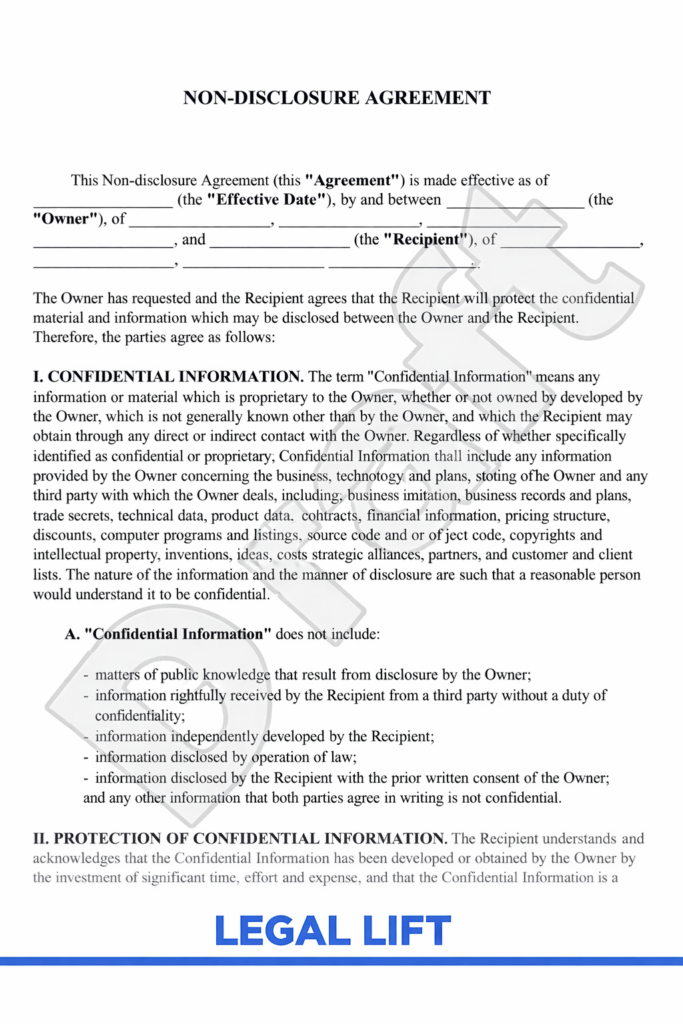
Ensure that proprietary information stays private
Ensure that proprietary information stays private
Ensure that proprietary information stays private
Ensure that proprietary information stays private